Top Reasons to Add a Retaining Wall to Your Landscape
Retaining walls are one of those upgrades that can quietly change everything about a property. In Harford County, a lot of yards look flat from the street but drop off in the backyard, or they have side-yard slopes that never stay clean after heavy rain. A professionally built retaining wall is not just about holding soil. It can create usable space, protect the foundation, and give your landscape the structure it has been missing.
At Harvest Outdoor Living, we design and build retaining walls that are made for Maryland conditions, with proper excavation, drainage, and reinforcement when needed. Homeowners trust our team because we focus on what makes walls last, and our local reputation reflects that with 41 five-star reviews. In this guide, we’ll cover why retaining walls are a smart investment, how they improve both function and appearance, what separates a long-lasting wall from a wall that fails early, and how to think about cost and planning when you want it done right.
Why retaining walls are a smart landscape investment
Retaining walls solve practical problems first, then deliver a major design payoff. If your yard has a slope that sheds water, a bed that keeps washing out, or a backyard that feels unusable because it drops away, a wall can reshape the space into something stable and functional.
A well-built retaining wall can:
-
- Create level space for patios, lawn panels, or garden zones
- Reduce erosion and protect plant beds from washout
- Support drainage improvements that keep water away from the foundation
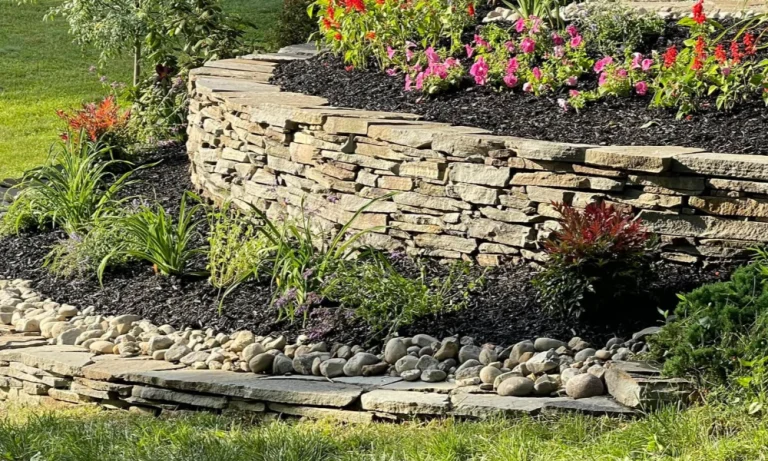
- Add structure and curb appeal through clean lines and tiered layout
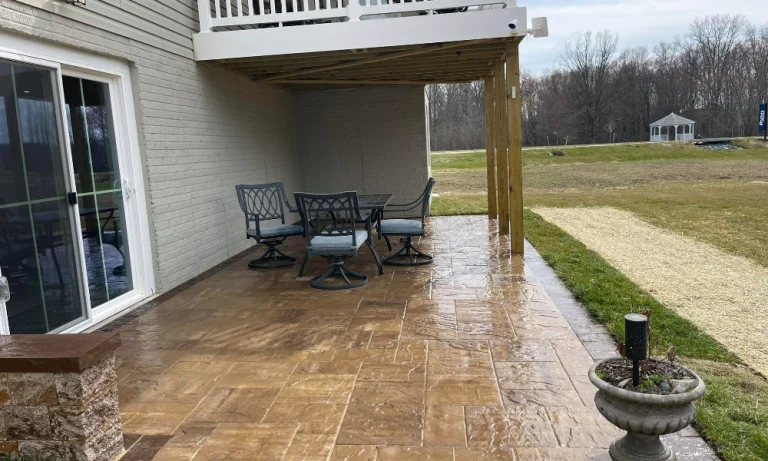
When paired with features like a paver patio, walkways and pathways, or defined planting beds, retaining walls become part of a complete outdoor living plan, not a standalone fix.
Functional benefits that solve real problems
A retaining wall is usually installed because something is not working. In towns like Bel Air, Forest Hill, and Fallston, we commonly see slope and drainage issues that keep homeowners from enjoying their yard the way they want to.
Common problems retaining walls solve:
-
- Soil erosion that strips mulch and exposes roots after storms
- Lower yard areas that stay soggy or muddy
- Water that runs toward the home instead of away from it
- Sloped terrain that prevents a usable patio or lawn area
Retaining walls also allow you to reshape the property so it works better. Once grade is managed properly, we can create space for:
-
- Patios and entertaining areas
- Garden beds and planting zones
- New lawn installations
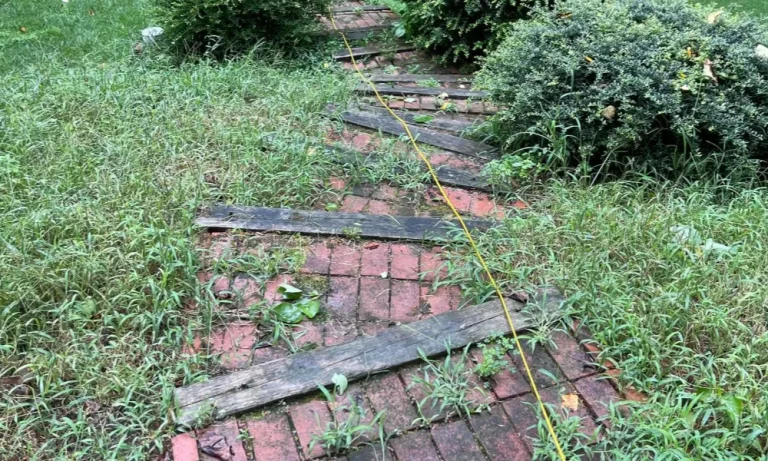
- Walkways and access paths that feel safe and natural on slopes
Aesthetic value and visual impact
A properly designed wall adds a level of structure that is hard to achieve with planting alone. It gives the yard a sense of intentional layout, and it creates elevation changes that make landscapes feel higher-end.
Retaining walls can:
-
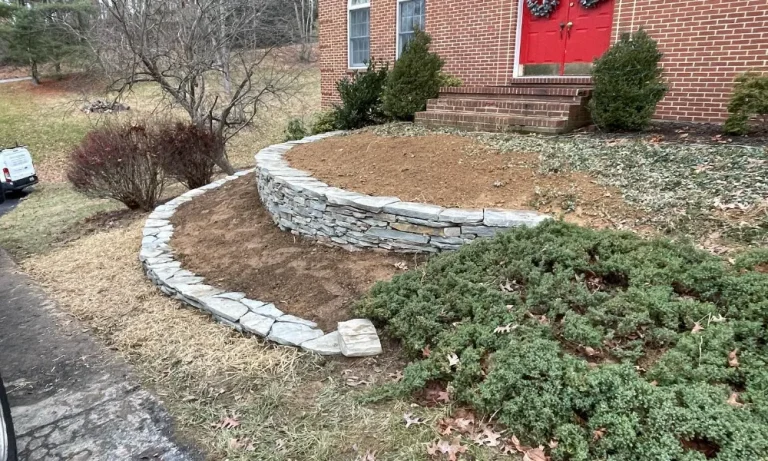
- Create terraced planting beds that look layered and polished
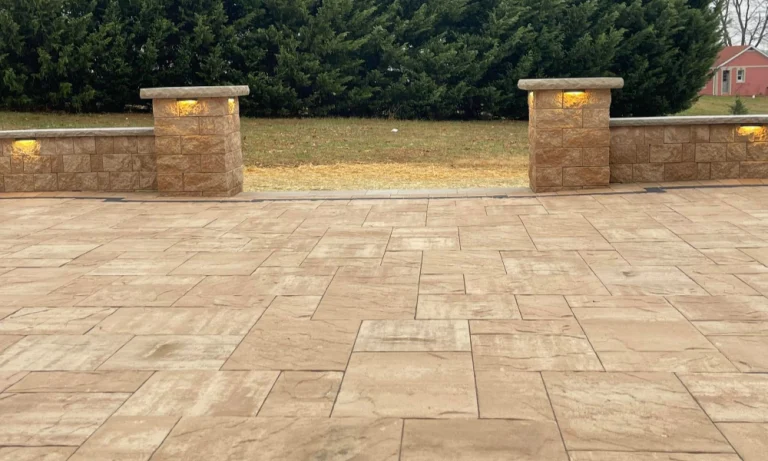
- Frame patios, firepits, or gathering zones so they feel “anchored”
- Add height and contrast to landscapes that feel flat or unfinished
- Blend seamlessly with walkways, steps, and future outdoor additions
Material selection also plays a big role. Some homeowners prefer a more natural look that feels timeless, while others want clean, modern lines that match newer hardscape styles. The key is selecting a wall system that fits your home and your landscape plan, not just picking whatever block is cheapest.
A smart investment that adds lasting value
Retaining walls are one of the few outdoor projects that can prevent future damage while also improving how the yard looks and functions. When they are designed correctly, they support other improvements, protect hardscape investment, and create usable space that increases the overall value of the property.
Long-term value includes:
-
- Better curb appeal and a more finished layout
- Reduced risk of erosion and drainage-related repairs later
- More usable space for outdoor living and landscaping
- Structural support for patios, steps, and transitions on slopes
If you are planning a larger renovation, it helps to review both the Landscape Pricing Guide and Hardscape Pricing Guide. Retaining wall projects often sit at the intersection of both, because the best results typically combine hardscape structure with planting, grading, and drainage.
How we build retaining walls that last
A retaining wall can look great on install day and still fail a few years later if the foundation and drainage are wrong. The most common wall failures we see across Harford County come from shortcuts, shallow bases, poor compaction, and no drainage behind the wall.
At Harvest Outdoor Living, we treat wall construction as an engineered system, not a decorative stack of blocks.
We build retaining walls to hold up long term by focusing on:
Proper base preparation
Every wall begins with excavation to the correct depth and a compacted aggregate base that supports the first course properly.
-
- Helps prevent settling and shifting
- Creates a stable, level foundation for alignment
- Reduces future movement during freeze-thaw cycles
Drainage that relieves pressure
Water buildup behind a wall creates hydrostatic pressure, and pressure is what makes walls lean, crack, or fail. We incorporate drainage into every wall build, which may include:
-
- Washed stone backfill for water movement
- Drain piping where needed to move water away from the wall zone
- Filter fabric separation to reduce clogging and soil migration
This is often tied into broader drainage solutions so the wall is not asked to handle a water problem by itself.
Material selection and system consistency
A wall system needs consistent sizing and reliable interlock so it stays aligned. We help homeowners choose materials based on:
-
- Wall height and soil load
- Style goals and how it will match patios, walkways, and steps
- Long-term durability and clean finishing details
Reinforcement where the site requires it
Some walls need more than block and backfill. Taller walls, walls holding significant load, or walls supporting terraces may require reinforcement methods like geogrid, step-backs, and proper wall batter.
-
- Improves stability on larger builds
- Helps walls resist pressure over time
- Reduces the risk of movement on challenging slopes
Mini case study: replacing a failing timber wall in Fallston
A homeowner in Fallston contacted us after a timber wall began leaning and rotting. Water was saturating the slope, the wall had no drainage behind it, and the soil was starting to shift toward the patio area.
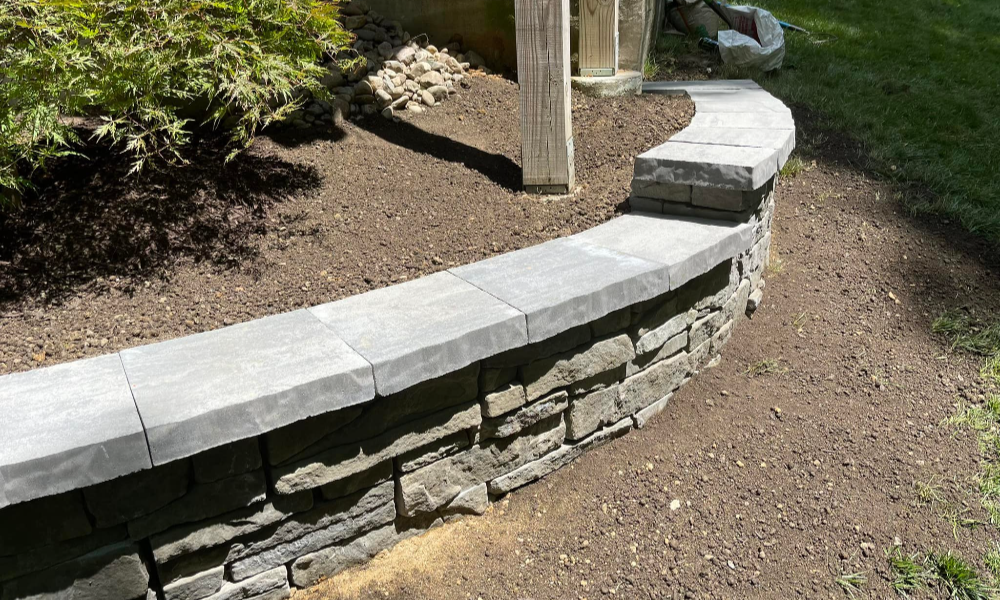
We removed the failing structure, corrected the grade, and installed a new segmental block retaining wall with proper base preparation and drainage so the slope could stabilize and shed water correctly. The finished result did more than stop erosion, it created a clean terraced space that made the backyard feel larger, safer, and far more usable for entertaining.
Proudly serving Harford County and beyond
Harvest Outdoor Living provides professional retaining wall construction, hardscaping, and landscaping services in:
-
- Bel Air
- Abingdon
- Aberdeen
- Churchville
- Fallston
- Forest Hill
- Havre De Grace
- Jarrettsville
- Perry Hall
- White Marsh
- And surrounding Harford County areas
If you are unsure whether your property is within our service range, you can view the full list on our service area page.
Ready to reshape your yard with a retaining wall?
If you want to stop erosion, create usable space, and add structure that lasts, a professionally built retaining wall is one of the smartest upgrades you can make.
Our team will evaluate your slope, drainage, and layout, then recommend a retaining wall plan that fits your property and your goals. We will explain material options, wall layout, and what is required structurally so you can make a confident decision.
Request your estimate today and let’s build a retaining wall that looks right, drains properly, and holds up for the long haul in Maryland conditions.