Retaining Wall Design & Construction in Bel Air, MD
Turn Challenging Slopes Into Beautiful, Usable Outdoor Spaces.
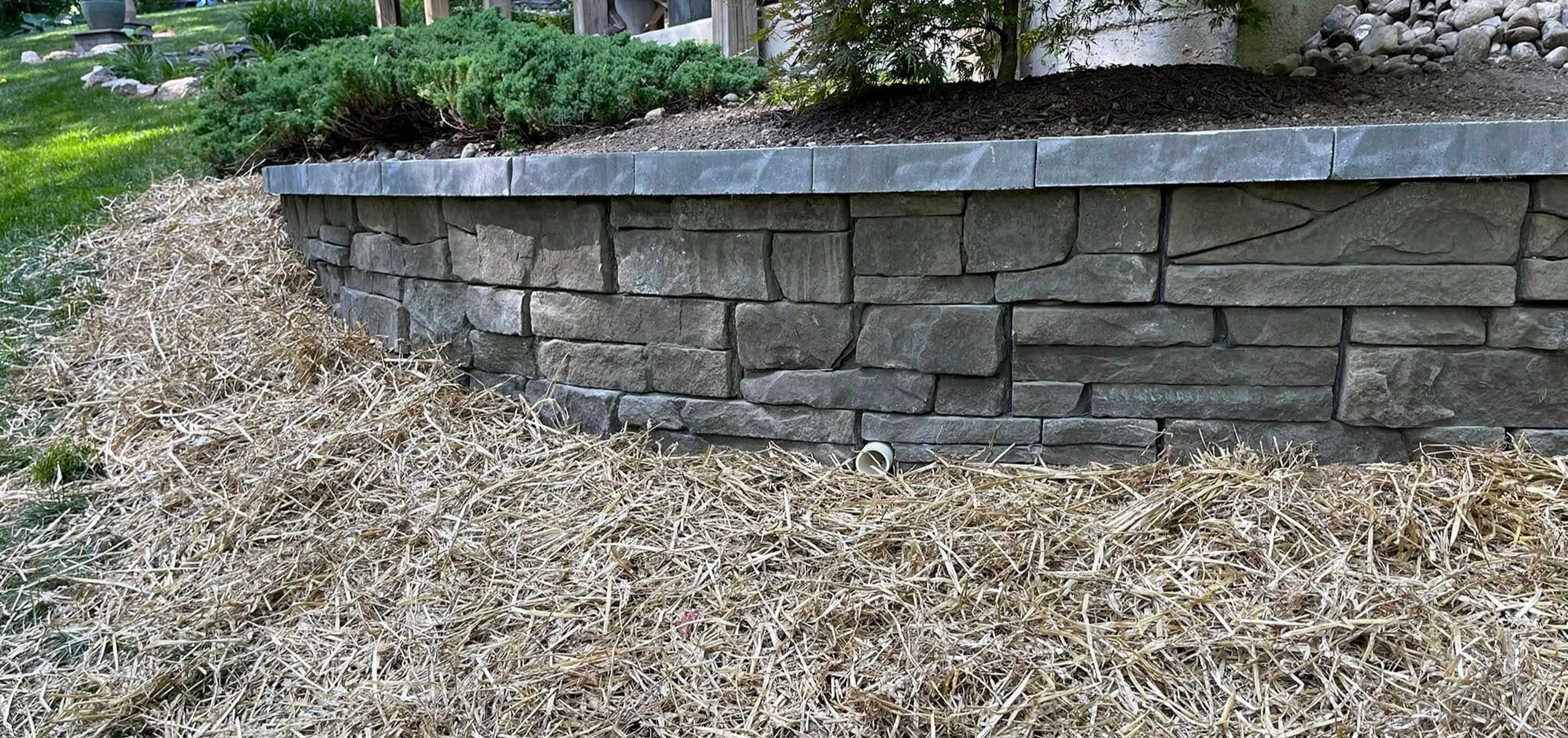
Whether you're dealing with a steep backyard, failing retaining wall or limited usable space, Harvest Outdoor Living designs and builds retaining walls that combine structural stability with attractive landscaping. We help homeowners throughout Bel Air, Fallston, Forest Hill, Abingdon and surrounding Harford County communities with engineered retaining walls, garden walls, terraced landscapes and complete backyard transformations.
Request a Retaining Wall EstimateGet Your Free Retaining Wall Estimate
Tell us about your property, the slope or wall you're concerned about, and what you'd like to accomplish.

Turn Difficult Slopes Into Beautiful, Functional Landscapes
A steep backyard, eroding hillside or failing retaining wall can limit how you use your property and create ongoing maintenance concerns. A properly designed retaining wall helps manage changes in elevation, retain soil and create more usable outdoor space. Whether you need a small garden wall or a larger structural retaining wall, the right solution starts with understanding your property's grading, drainage and soil conditions.
Harvest Outdoor Living designs and builds custom retaining walls throughout Bel Air and Harford County. We consider wall height, site access, structural requirements and long-term drainage when planning each project. Retaining walls can also be incorporated into a complete landscape design with terraced planting beds, walkways and steps, or paver patios to create a connected outdoor living space.
- Structural retaining walls for steep slopes and elevation changes
- Garden walls, terraced landscapes and raised planting beds
- Retaining wall replacement and solutions for failing walls
- Custom designs with integrated drainage and 3D visualization options
See How a Retaining Wall Could Transform Your Property
Struggling to imagine what your sloped backyard could become? Our online landscape visualizer lets you upload a photo of your property and explore ideas for retaining walls, terraced gardens and more usable outdoor spaces. It's a simple way to see how different landscaping concepts might look before committing to a design.
Experiment with tiered retaining walls, raised planting beds, lawn areas, landscape steps and walkways, or a new paver patio. When you're ready to move forward, our professional 3D landscape design services can help develop your ideas into a practical plan that accounts for elevation changes, drainage, materials and structural requirements.
Try Our Landscape VisualizerVisualizer images are conceptual only and do not represent engineered retaining wall plans. Final wall dimensions, drainage, structural design and construction requirements are determined during professional project planning.

 BEFORE
 AFTER
From a Steep Hillside to a Usable Backyard
See how a professionally designed retaining wall can transform a challenging slope into a more level, functional landscape with room for a lawn, gardens and outdoor activities.
See How a Retaining Wall Can Completely Transform Your Yard
A steep slope can leave much of your backyard difficult to use, maintain or enjoy. A properly designed retaining wall can reshape the landscape, create level areas for a lawn or garden, and provide the support needed to manage significant changes in elevation. It's often the difference between having a backyard you simply look at and one your family can actually use.
Our engineered retaining wall project in Bel Air is a great example. We transformed a steep, unusable backyard with a structural retaining wall over six feet tall, new topsoil and sod, privacy plantings and aluminum fencing. The result was a functional outdoor space where the homeowners previously had very little usable lawn.
Request Your Retaining Wall EstimateRetaining Walls That Transform Challenging Landscapes
Explore retaining wall solutions for steep slopes, unusable backyards and properties with significant elevation changes throughout Harford County.
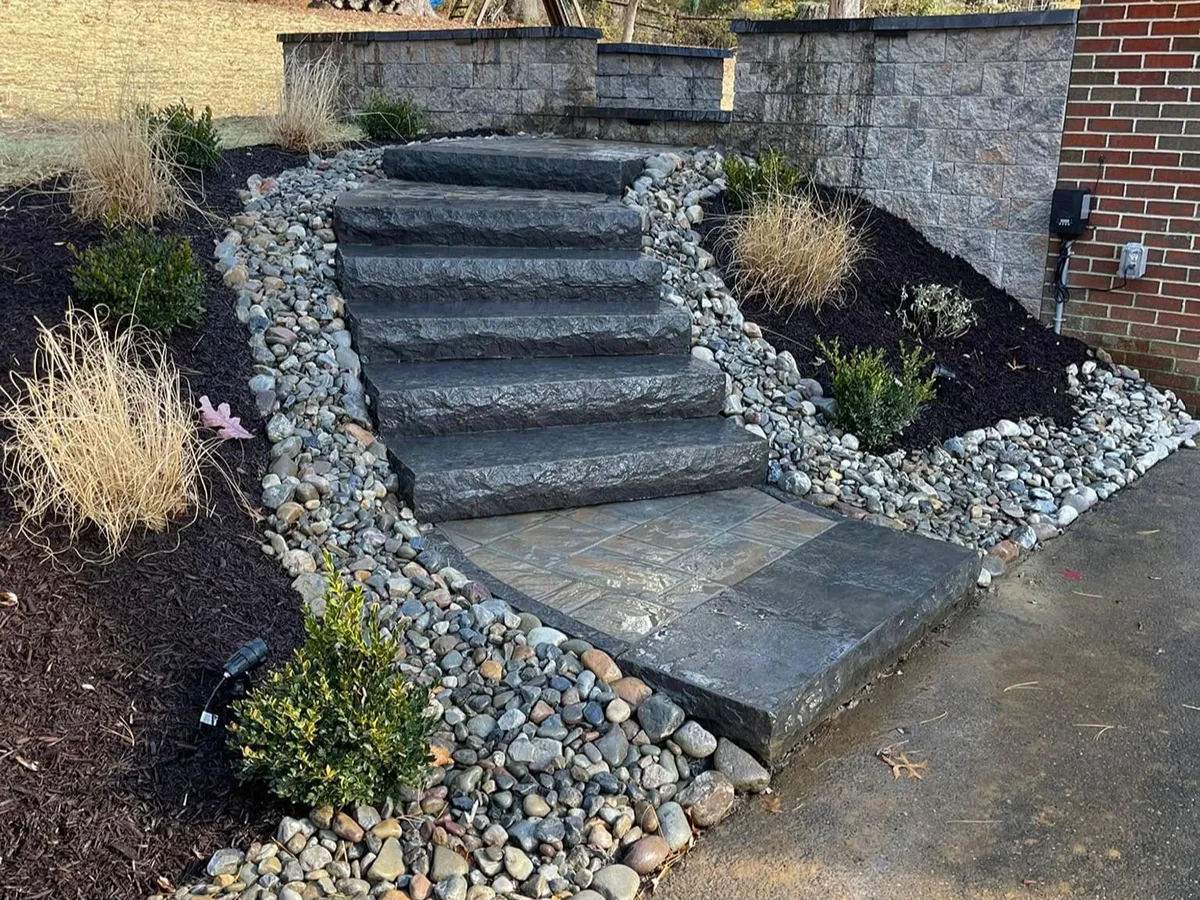
Engineered Retaining Walls
Structural retaining walls designed to support significant elevation changes and create stable, usable outdoor spaces.
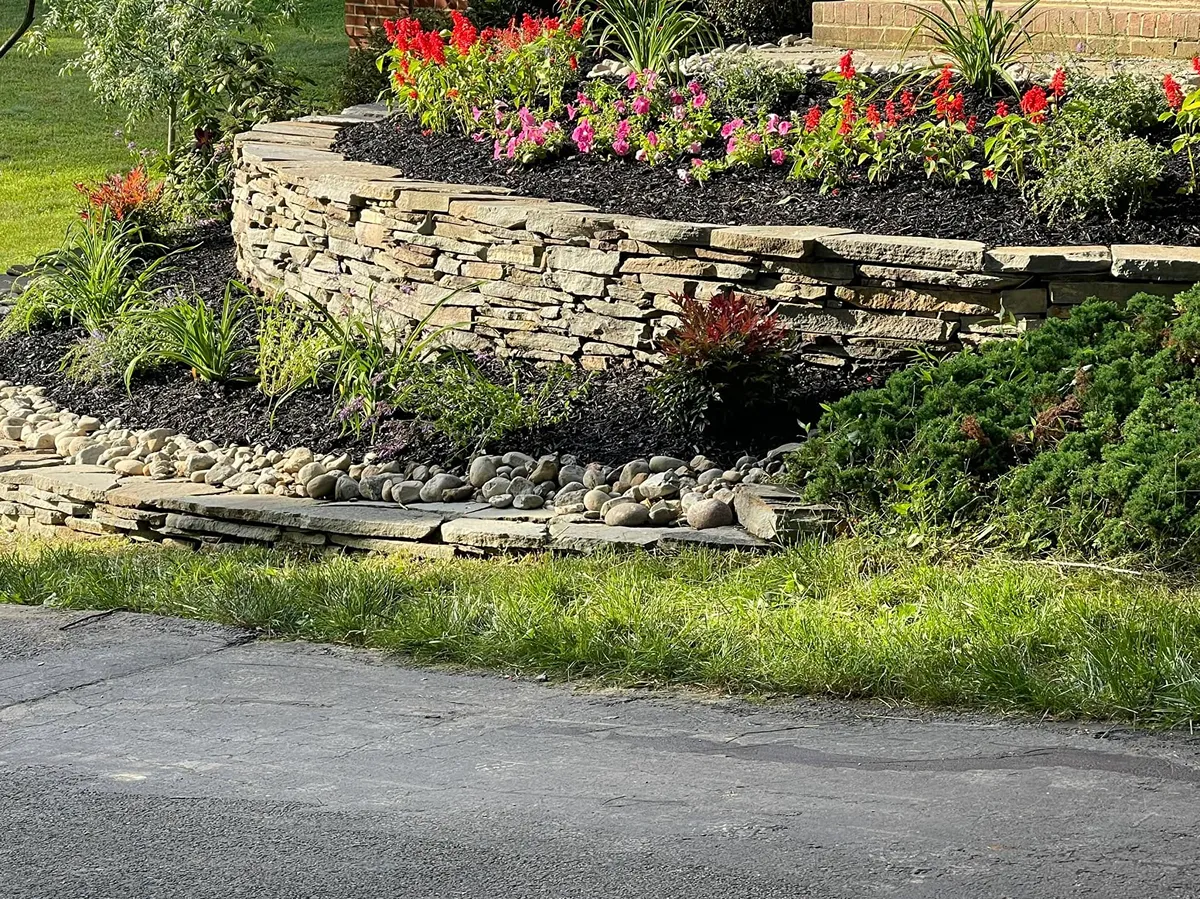
Terraced Walls & Landscaping
Multi-level retaining walls that turn steep hillsides into attractive planting beds, garden areas and connected landscapes.
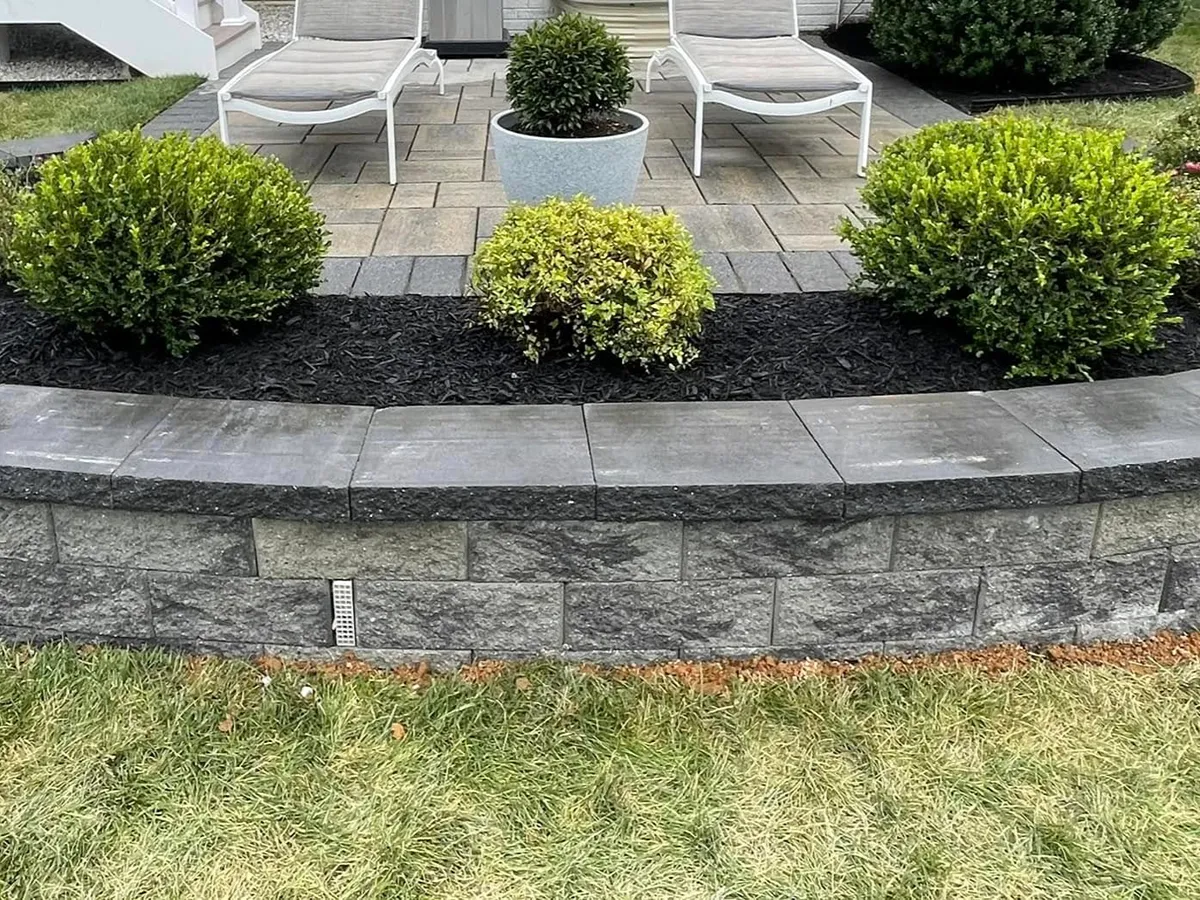
Retaining Wall Replacement
Aging or deteriorating retaining walls can be replaced with new construction that improves the appearance and functionality of the surrounding landscape.
Retaining Walls Designed for More Than Holding Back Soil
A retaining wall should solve a practical problem while improving the appearance and usability of your property. From structural walls to terraced gardens, the right design can completely change how your landscape functions.

Structural Walls & Usable Backyard Space
Reclaim steep or difficult terrain with retaining walls designed to support significant grade changes. We can create level areas for lawns, gardens and outdoor living while addressing soil retention, stability and drainage requirements.

Terraced Gardens, Steps & Landscape Integration
Turn elevation changes into attractive landscape features with tiered retaining walls, raised planting beds and integrated steps. We can coordinate your wall design with landscaping, walkways and outdoor living areas for a cohesive finished property.

Proper Engineering, Drainage & Construction
Long-lasting retaining walls depend on more than the blocks you see. We consider soil conditions, excavation, foundation preparation, drainage, reinforcement and applicable engineering requirements to develop a wall suited to your property's conditions.
Professional Retaining Wall Construction, Start to Finish
From evaluating your property's slope and drainage to completing the finished landscape, here's what you can expect when working with Harvest Outdoor Living.
Request an Estimate
Tell us about your property, existing wall or slope concerns, and what you'd like to accomplish. We'll discuss your goals and arrange the next steps for evaluating the project.
Design & Engineering
We evaluate elevation changes, soil conditions, drainage and wall placement. We'll develop a design, review material options and address engineering, permitting or approval requirements where applicable.
Excavation & Site Preparation
Our team prepares the construction area through excavation, grading and foundation preparation. We account for the wall's structural requirements, drainage system and surrounding landscape.
Retaining Wall Construction
We construct the retaining wall according to the approved design, incorporating the specified wall materials, drainage stone, reinforcement and backfill. Proper installation at each stage is essential to long-term performance.
Final Grading & Landscaping
We complete the surrounding grading and agreed finishing work, which may include topsoil, sod, planting beds, steps or fencing. After cleanup and any required final inspections, your improved outdoor space is ready to enjoy.
Trusted by Homeowners Throughout Harford County
From retaining walls and challenging backyard transformations to complete outdoor living projects, see what homeowners in Bel Air, Forest Hill, Fallston, Abingdon and surrounding Maryland communities have to say about working with Harvest Outdoor Living.
Retaining Wall Construction Throughout Harford County & Surrounding Areas
Harvest Outdoor Living is based in Bel Air, Maryland. We design and build custom retaining walls throughout Harford County and nearby communities, helping homeowners address steep slopes, erosion, failing walls and challenging elevation changes.
Whether you need an engineered retaining wall, a replacement for an aging wall or terraced landscaping to create more usable backyard space, our team can help you plan a solution suited to your property. We also incorporate retaining walls into larger landscape design and outdoor living projects.
- Aberdeen
- Abingdon
- Baldwin
- Bel Air
- Churchville
- Fallston
- Forest Hill
- Havre de Grace
- Jarrettsville
- Lutherville-Timonium
- Monkton
- Perry Hall
- Phoenix
- Towson
- White Marsh
Common Questions About Retaining Wall Construction
Answers to common questions about retaining wall design, engineering, drainage, permits and construction in Bel Air and Harford County, Maryland.
How much does a retaining wall cost in Bel Air and Harford County?
Retaining wall costs depend on the wall's height, length, materials and structural requirements. Site access, excavation, soil conditions, drainage and the amount of grading required can significantly affect the overall project cost. A small landscape wall will generally cost less than a large engineered wall supporting a substantial slope.
Additional work such as removing an existing wall, installing steps, restoring the lawn or adding landscaping will also influence the estimate. We evaluate your property and the proposed construction before providing project-specific pricing.
Do retaining walls require engineering or permits in Harford County?
Some retaining walls require engineered plans, permits or inspections depending on their height, location, loading conditions and applicable building regulations. Walls supporting steep slopes, driveways, structures or other significant loads may have additional structural requirements.
We review these considerations during project planning and coordinate the necessary engineering and approval requirements where applicable. Our engineered retaining wall project in Bel Air is an example of a project involving structural design, permitting and inspections.
What types of retaining walls can you build?
We design and construct segmental block retaining walls, structural retaining walls, terraced landscape walls and smaller garden walls. The appropriate wall system depends on the height, soil conditions, drainage, appearance and intended purpose of the wall.
We can also incorporate retaining walls into larger landscape design projects with raised planting beds, lawn areas, steps and paver patios.
How important is drainage behind a retaining wall?
Proper drainage is one of the most important parts of retaining wall construction. Water collecting behind a wall can create hydrostatic pressure, contribute to soil movement and increase the risk of structural problems. Drainage requirements depend on the wall design and site conditions.
A properly designed system may include drainage aggregate, filter fabric, perforated drainage pipe and suitable outlets to direct water away from the wall. We consider these details alongside the property's overall grading and drainage requirements.
Can you replace a leaning, cracked or failing retaining wall?
Yes. Retaining walls can deteriorate or fail because of inadequate drainage, poor construction, soil movement, excessive loading or age. Common warning signs include leaning, bulging, separation between blocks, significant cracking and soil washing out around the wall.
We can assess the existing conditions and discuss replacement options. Depending on the situation, the project may involve removing the old wall, correcting drainage problems, preparing a new foundation and constructing a replacement wall designed for the site's requirements. Walls showing significant movement should be evaluated promptly.
Can a retaining wall make my sloped backyard more usable?
Absolutely. Retaining walls can help create level areas on properties where steep slopes limit usable lawn or outdoor living space. Depending on the available room and site conditions, a wall may allow for a larger backyard, terraced gardens, improved access or space for a patio.
Our Heights Lane retaining wall project in Bel Air demonstrates how a steep backyard can be transformed into a functional lawn with structural retaining walls, grading, sod and fencing.
How long does retaining wall construction take?
Construction time depends on the wall's size, height, site access and complexity. Smaller garden walls may require relatively little construction time, while larger engineered retaining walls can involve extensive excavation, drainage installation, reinforcement, backfilling and surrounding landscape restoration.
Engineering, permits, material availability and weather can also affect the overall schedule. We'll discuss the expected timeline after evaluating your project and identifying any necessary approvals.
What areas do you serve for retaining wall construction?
Harvest Outdoor Living is based in Bel Air, Maryland, and serves homeowners throughout Harford County, including Fallston, Forest Hill, Abingdon, Aberdeen, Churchville, Havre de Grace and Jarrettsville. We also consider retaining wall projects in nearby Baltimore County communities.
Contact us with your property location, the approximate size of the wall and a description of the problem you're trying to solve. Photos of the existing slope or retaining wall can also help us understand your project.
Let's Make More of Your Outdoor Space
Steep slopes, failing retaining walls and uneven terrain don't have to limit what you can do with your property. Harvest Outdoor Living designs and builds retaining walls that solve these challenges while improving your landscape.
Tell us about your property and what you'd like to change. We'll help you explore the right solution.