Do You Need Permits for Hardscaping in Harford County?
If you’re planning a new paver patio, walkway, retaining wall, or other backyard upgrade, it’s normal to wonder whether you need a permit in Harford County. The frustrating part is that the answer is rarely a simple yes or no. It depends on height, placement, drainage impact, utility connections, and sometimes whether you’re inside a town boundary with its own rules.
At Harvest Outdoor Living, we design and build outdoor spaces across Harford County, and part of doing projects the right way is understanding when permits, zoning certificates, or inspections are required. In this post, we’ll break down what typically triggers permitting, where homeowners get surprised, and how to plan your project so you avoid delays, stop-work orders, or issues during resale.
Why permits are a smart part of a hardscape project
Permits can feel like red tape, but they exist for a reason. Hardscape projects often change how water moves across your property, how close structures sit to a property line, and how safe a built feature will be over time. In a county with heavy rain events, clay soils, and freeze-thaw cycles, those factors matter more than most homeowners realize.
A properly permitted project helps you:
-
- Confirm setbacks and placement so you don’t build in the wrong spot
- Reduce future headaches when selling the home or pulling records
- Ensure large structures and walls meet safety standards
- Protect against drainage problems that can damage foundations, patios, and neighboring properties
Permits also force good planning. If your patio build needs grading changes or your retaining wall needs reinforcement, it is much better to know that early than after installation begins. For homeowners combining a patio with drainage solutions, steps, or a multi-level layout, permitting and proper review help everything work together instead of fighting the site.
Common hardscape projects that may require permits
Harford County uses permits and zoning reviews to manage construction, safety, and drainage. Not every project requires formal approval, but several categories regularly do, especially when they are larger, structural, or tied into utilities.
Here are the types of projects where permits are commonly involved:
1. Retaining walls and grade changes
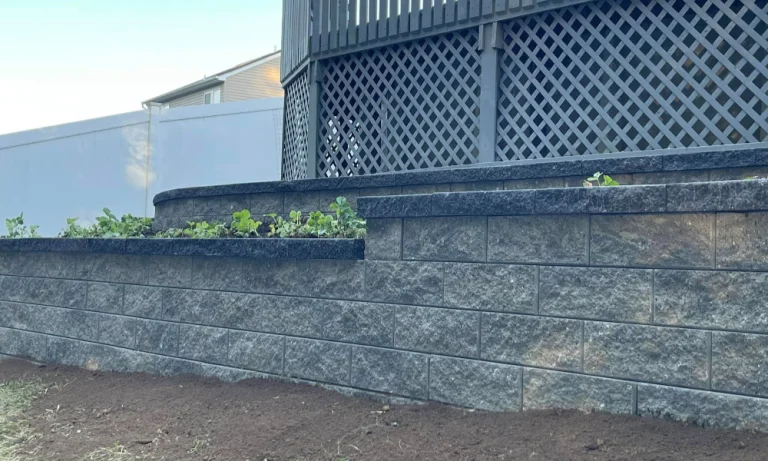
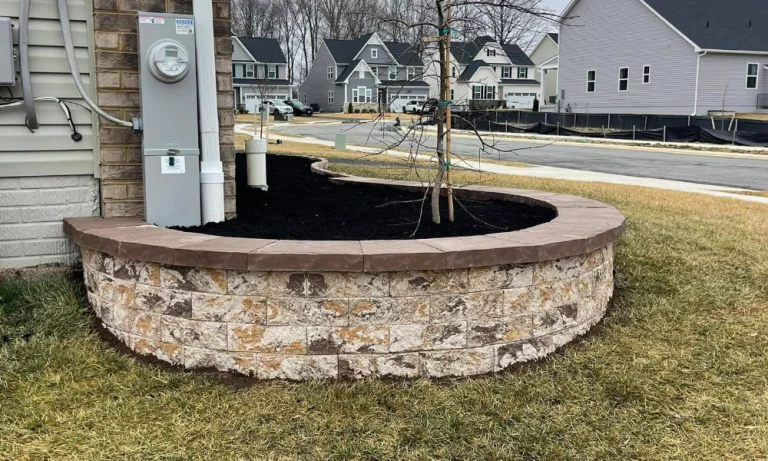
Retaining walls are one of the most common permit triggers because they hold soil pressure and can impact drainage. In many cases, walls at or above certain height thresholds require review or additional approvals. Walls that support a slope, driveway, or structure are typically treated as structural elements, not decorative features.
What to expect:
-
-
- Height matters, and it is usually measured from the base to the top of the wall
- Walls supporting significant soil loads may require additional documentation
- Drainage design is critical to long-term performance and often part of review
-
Best use: Sloped yards in areas like Fallston, Forest Hill, and Jarrettsville, where creating level space or preventing erosion is the priority.
2. Patios, walkways, and large impervious surfaces
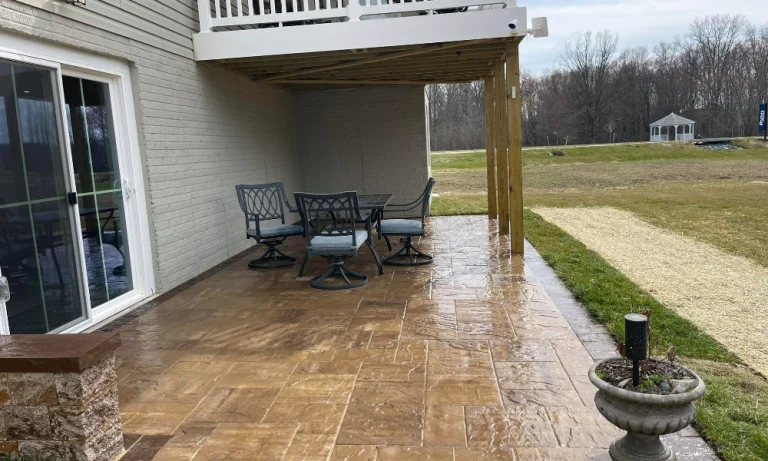
Many paver patios and walkways do not need a permit when they are simple installs that do not change drainage patterns. The moment you expand impervious surface significantly, regrade a slope, or alter how stormwater moves across the property, review may be required.
What to expect:
-
-
- Drainage impact is a major trigger, especially if runoff is redirected
- Projects near floodplains, easements, or environmentally sensitive areas may require review
- Town-specific rules may apply in addition to county requirements
-
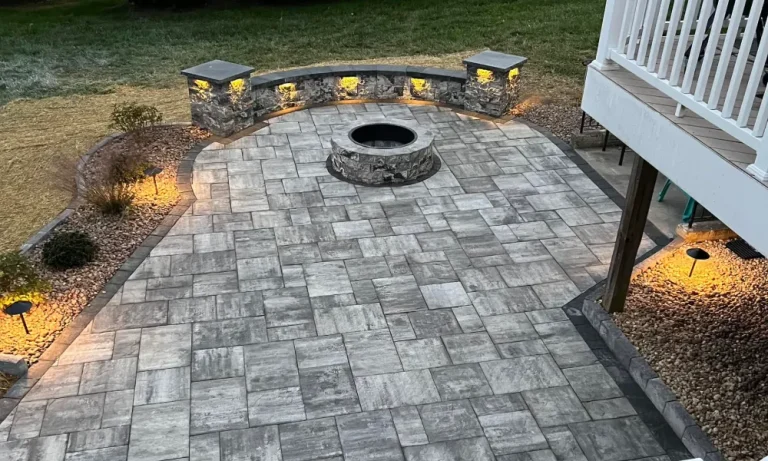
Best use: Homes upgrading a backyard with a new patio plus border beds, lighting, and clean transitions into the lawn.
3. Outdoor structures and anything involving utilities
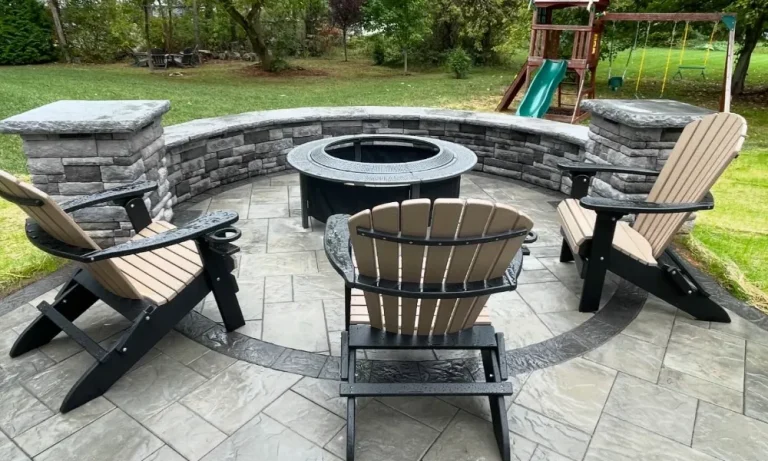
Pergolas, pavilions, outdoor kitchens, and fire features are where permits and inspections show up most often. The moment a project includes electrical, plumbing, gas, or a roofed structure, you should assume there will be permitting steps and inspections involved.
What to expect:
-
-
- Outdoor kitchens often require approvals for utility work
- Firepits and fireplaces connected to gas can trigger inspections
- Pergolas and gazebos may require review for placement and structure
-
Best use: Homeowners building a full outdoor living space, where comfort, safety, and durability matter more than a quick project.
4. Driveway modifications
Driveway expansions, relocations, or apron changes can involve zoning review and stormwater considerations. Even minor changes may require coordination if they affect public right-of-way access or alter runoff patterns.
What to expect:
-
-
- Placement and setback compliance checks
- Review of grading and drainage impact
- Additional requirements if work connects to public roads or sidewalks
-
Thresholds that change everything
The challenge for homeowners is that two projects can look similar but fall under different rules based on small details. A decorative garden wall is treated very differently than a structural retaining wall. A small patio addition is not the same as a large surface that changes stormwater flow.
Here are the most common triggers that shift a project into permit territory:
-
- Wall height or structural load
- Drainage and runoff changes
- Proximity to property lines or easements
- Utility connections such as gas or electric
- Work within town limits with separate local requirements
This is also where DIY projects can go wrong. A patio or wall may look straightforward, but if it changes grade or water flow, it can create bigger issues later. Fixing an unapproved or poorly planned installation is almost always more expensive than planning it correctly from the beginning.
Planning that protects your investment
Even when a permit is not required, the same level of planning should apply. Hardscapes fail early when drainage is ignored, base preparation is rushed, or grade changes are made without understanding how water moves.
Before we build, we look at:
Drainage patterns: Where does water enter the yard during a heavy storm, and where will it go once a patio or wall is installed? If needed, we incorporate drainage solutions so runoff is controlled rather than redirected into a new problem.
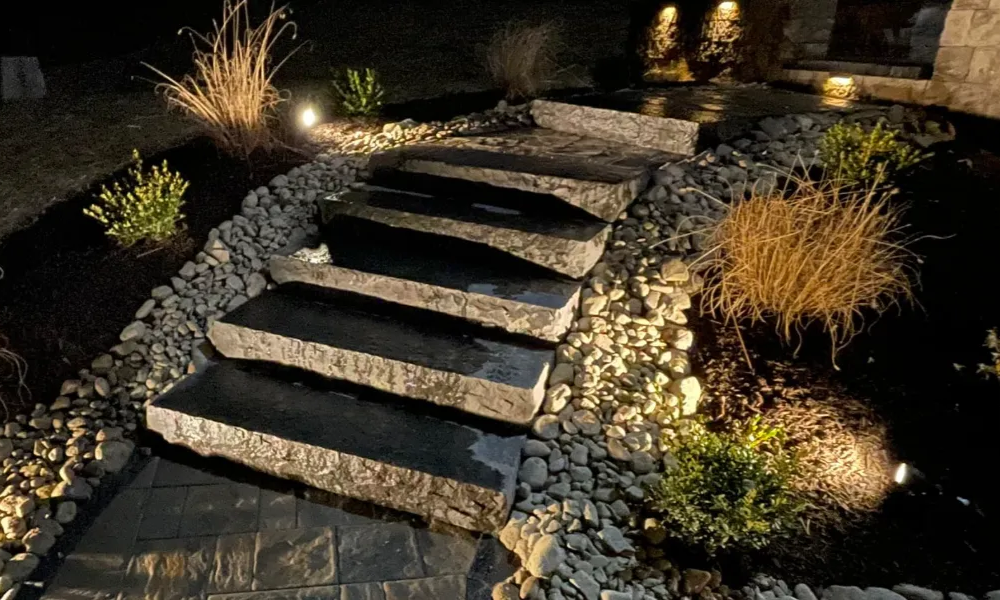
Grade transitions: Patios, lawns, steps, and beds all meet somewhere. Those transitions need to be smooth and intentional to prevent settling and washout.
Utility planning: Outdoor kitchens, lighting, and fire features should be planned before hardscape is installed, not retrofitted later.
Setbacks and zoning: Proper placement avoids future issues during resale, refinancing, or inspections.
Cost comparison: simple installs vs structured projects
Permits themselves are rarely the biggest cost driver. What increases budget is the scope that triggers the permit, such as structural requirements, drainage engineering, or utility coordination.
Typically simpler projects:
-
- Small patios or walkways without grading changes
- Low decorative garden walls
- Repairs that do not expand the footprint
Projects requiring more planning and budget:
-
- Taller retaining walls supporting slopes
- Outdoor kitchens and roofed structures
- Driveway expansions or relocations
- Large patio builds that alter drainage patterns
If you are planning a larger outdoor renovation, it helps to review both the Landscape Pricing Guide and the Hardscape Pricing Guide. Many projects involve both structural hardscape and finishing landscape work, and understanding that early prevents budget surprises.
Mini case study: Forest Hill patio and wall project
A homeowner in Forest Hill wanted a larger patio for entertaining, but the yard dropped off and water pooled in one corner after heavy rain. Rather than simply installing pavers, we evaluated the slope, incorporated a retaining element where needed, and designed drainage improvements to manage runoff properly.
The finished space looked clean and intentional, but more importantly, it handled stormwater correctly and avoided the long-term issues that come from building without a plan.
Proudly serving Harford County and beyond
Harvest Outdoor Living designs and builds outdoor spaces for homeowners across:
-
- Bel Air
- Abingdon
- Aberdeen
- Churchville
- Fallston
- Forest Hill
- Havre De Grace
- Jarrettsville
- Perry Hall
- White Marsh
- And surrounding Harford County areas
You can view the full list of service areas on our service area page.
Start your project with clarity
If you’re planning a patio, wall, or outdoor structure and want clear answers before construction begins, we can help.
Hardscaping permits are not something you want to guess at. The safest approach is a professional site evaluation that considers wall height, drainage impact, utilities, setbacks, and access requirements before work starts. We will review your goals, walk your property, and guide you through the right next steps so your project is built to last and built the right way.
Request your estimate today and let’s plan a hardscape project you can move forward with confidence.