Garden Wall vs Retaining Wall in Churchville MD
Not every small wall in your yard is built to hold back soil. In Churchville, we regularly meet homeowners who have what looks like a decorative garden wall, but it is actually acting like a retaining wall. That is when problems start.
At Harvest Outdoor Living, we design and build structural retaining walls that are engineered for Harford County’s soil conditions, slopes, and drainage patterns. In this post, we’ll explain the difference between a garden wall and a true retaining wall, the warning signs that your wall is underbuilt, and how to fix the issue permanently.
Garden wall vs retaining wall: what is the difference?
The terms are often used interchangeably, but they are not the same thing.
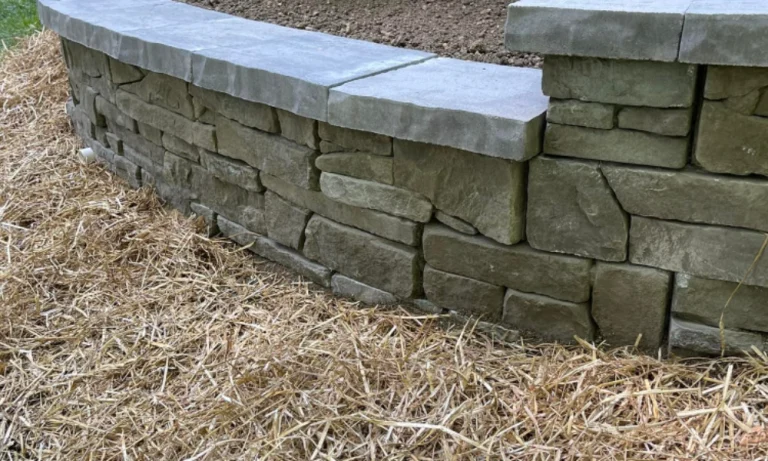
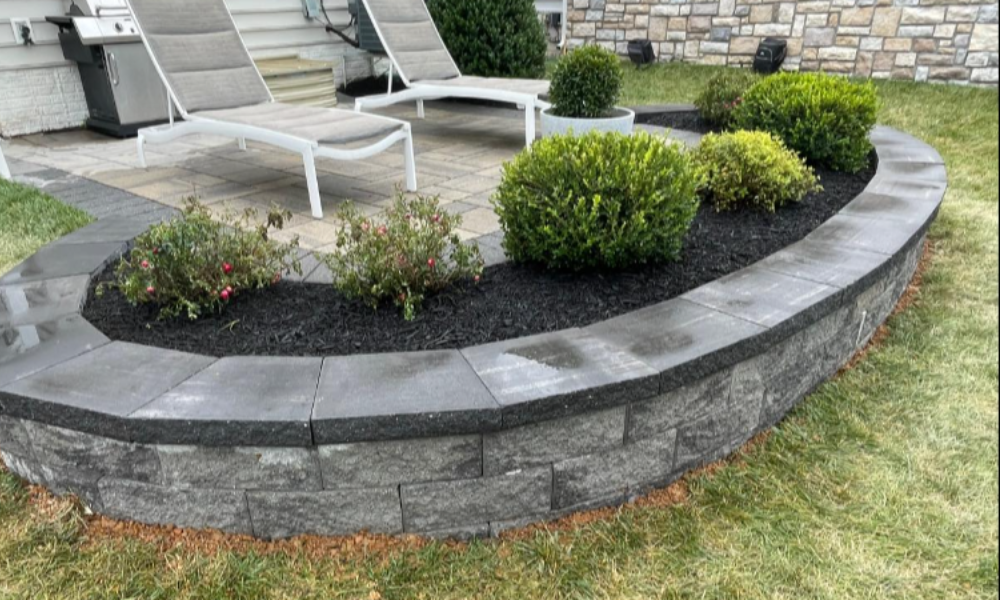
A garden wall is typically:
-
- Decorative in nature
- Low in height, often under 18 inches
- Built without deep excavation or reinforcement
- Not designed to support significant soil pressure
A retaining wall is:
-
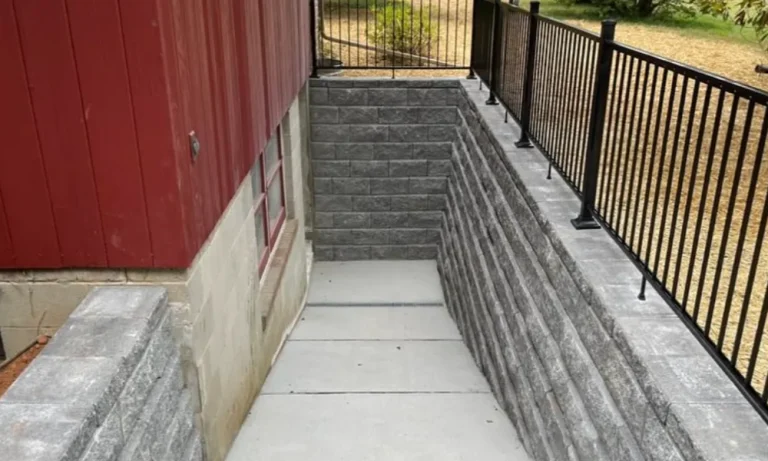
- Engineered to hold back soil
- Designed to manage hydrostatic pressure
- Constructed with proper base preparation
- Often reinforced with geogrid depending on height
The problem arises when a decorative wall is installed on a slope and ends up supporting several feet of soil. In areas of Churchville where properties include rolling grades and clay-heavy soil, that added pressure quickly exposes structural weaknesses.
If the wall is meant to support elevation change, it needs to be designed as a retaining wall from the start.
Signs your garden wall is acting like a retaining wall
Homeowners usually call us when something looks wrong. The good news is that walls rarely fail overnight. There are warning signs.
Common indicators include:
-
- Leaning or tilting forward
- Cracks forming between blocks
- Soil pushing through joints
- Water pooling behind or at the base
- Capstones separating or sliding
If your garden wall was built to frame a planting bed but now has soil piled high behind it, that is a red flag. Decorative blocks are not meant to resist the continuous pressure created by saturated soil.
On sloped Churchville properties, heavy rains can dramatically increase hydrostatic pressure. Without proper drainage, even a small wall can begin to fail.
Why decorative walls fail under real soil pressure
When a wall is not engineered properly, it usually lacks three critical components: base depth, drainage, and reinforcement.
1. Inadequate base preparation
Garden walls are often installed on shallow or minimally compacted bases. That may be sufficient for aesthetics, but not for structural support.
What happens:
-
-
- Blocks settle unevenly
- Sections sink or tilt
- Cracking appears over time
-
2. No drainage system
Water is the number one cause of retaining wall failure. Decorative walls typically do not include perforated drain pipe, clean aggregate backfill, or filter fabric.
What happens:
-
-
- Hydrostatic pressure builds up
- The wall bows forward
- Blocks begin to separate
-
3. No structural reinforcement
Retaining walls above certain heights require geogrid reinforcement extending back into the soil. Garden walls do not include this.
What happens:
-
-
- The wall cannot resist lateral pressure
- Failure accelerates after storms
-
Once these issues begin, patching cracks or resetting a few blocks will not solve the root cause. The structure itself is underbuilt for the load it is carrying.
When you actually need a retaining wall in Churchville
You likely need a true retaining wall if:
-
- Your yard includes significant elevation changes
- Soil is consistently piled more than 18 to 24 inches behind the wall
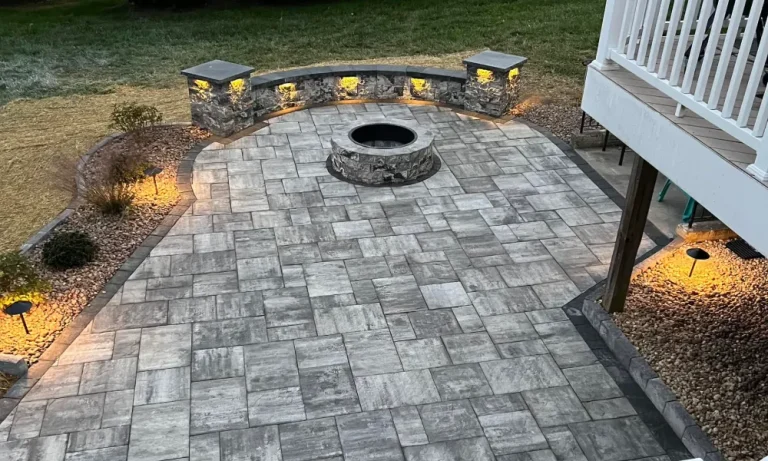
- You are planning to install a paver patio or driveway above the wall
- Water runoff from higher ground collects behind the structure
In these cases, upgrading to a properly engineered retaining wall protects not only the wall itself but also adjacent features like walkways, lawns, and foundations.
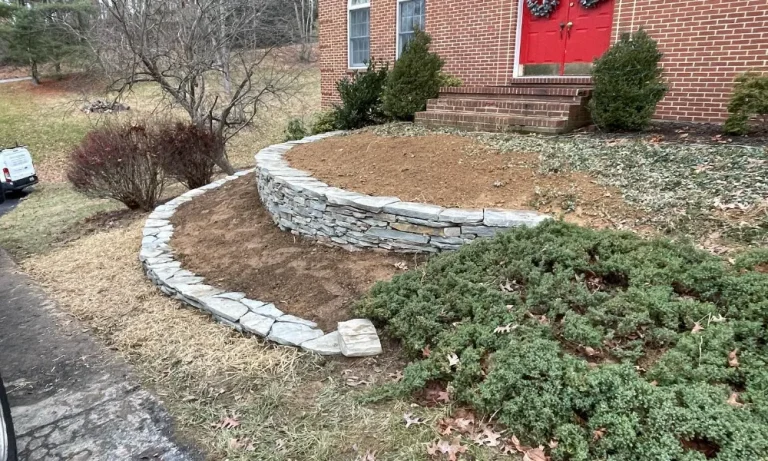
We often redesign slopes using tiered retaining walls rather than one tall structure. This distributes pressure more evenly and creates more usable yard space.
How we fix it permanently
At Harvest Outdoor Living, a permanent solution typically involves rebuilding the wall correctly rather than attempting cosmetic repairs.
Our process includes:
-
- Site evaluation – Assessing slope, soil type, and drainage patterns.
- Excavation – Removing the failing wall and digging to proper base depth.
- Compacted aggregate base – Creating a stable foundation.
- Drainage installation – Perforated pipe, clean backfill stone, and filter fabric.
- Reinforced block installation – Adding geogrid layers when required.
- Grading correction – Directing water away from the wall.
Reviewing our Hardscape Pricing Guide can help homeowners understand how wall height, material selection, and access conditions influence investment. If the retaining wall is part of a broader landscape redesign, our Landscape Pricing Guide provides additional context.
Mini case study: Churchville garden wall upgrade
A homeowner in Churchville had a decorative garden wall installed to frame a planting bed. Over time, additional soil was added behind it to level part of the yard. Within two years, the wall began leaning and separating at the top.
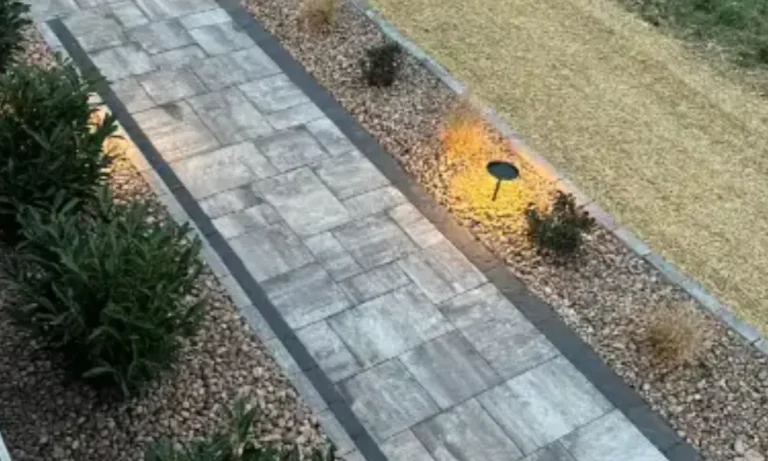
We removed the decorative wall and rebuilt the area as a structural retaining wall with proper base preparation and drainage. We also integrated updated planting beds and defined edging to complete the look.
The new wall not only solved the structural issue but also created a stable, usable lawn terrace above it.
Proudly serving Harford County and beyond
Harvest Outdoor Living provides professional retaining wall construction and landscape installation in:
-
- Bel Air
- Abingdon
- Aberdeen
- Churchville
- Fallston
- Forest Hill
- Havre De Grace
- Jarrettsville
- Perry Hall
- White Marsh
- And surrounding Harford County areas
You can confirm service availability on our service area page.
Not sure if your wall is decorative or structural?
If your garden wall is leaning, cracking, or holding back more soil than it was designed for, it is time for a professional evaluation.
A decorative wall cannot safely perform the job of a retaining wall. Addressing the issue early prevents more extensive damage to patios, driveways, and foundations.
Request your estimate today and let’s determine whether your Churchville wall needs reinforcement or a complete structural upgrade built to last.