Signs Permeable Pavers Need Maintenance
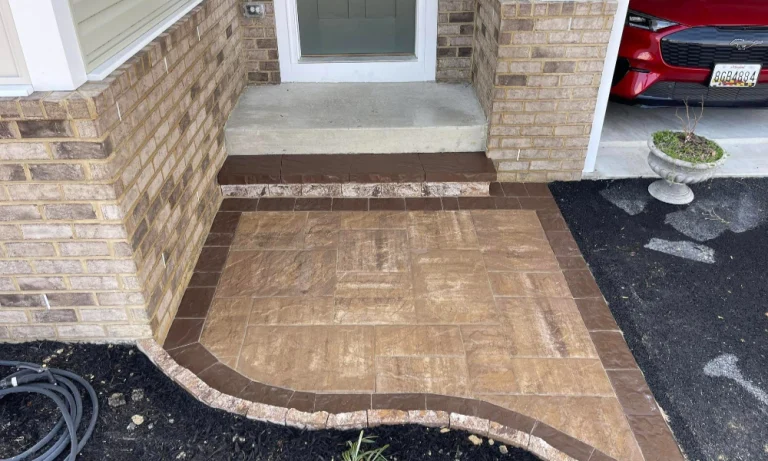
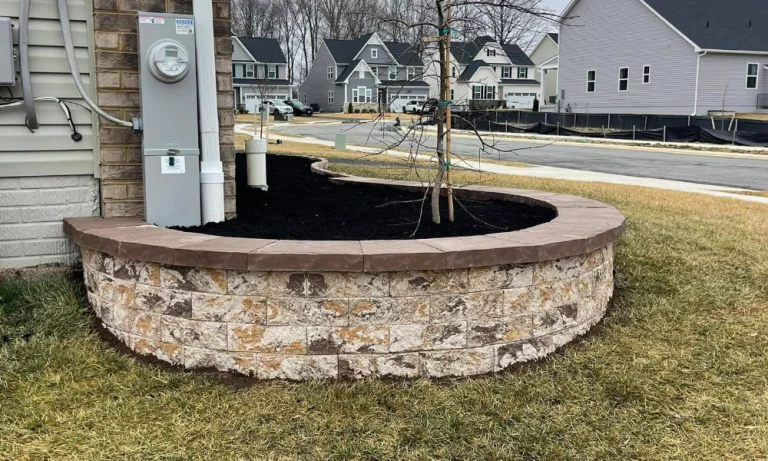
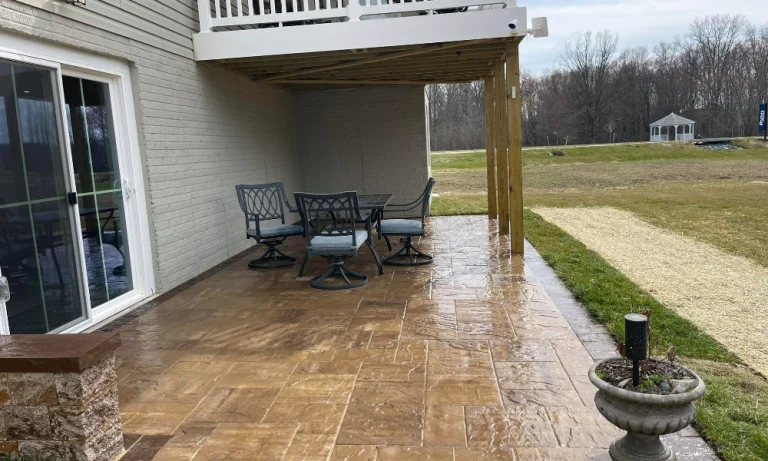
Permeable pavers are a smart choice for eco-friendly patios and driveways, along with walkways that handle stormwater better than traditional surfaces. They reduce runoff, help rainwater soak back into the ground, and can make a big difference on properties with drainage challenges.
At Harvest Outdoor Living, we install and maintain permeable paver systems for homeowners throughout Harford County, including areas like Fallston, Abingdon, Forest Hill, and Havre De Grace. Below are the early warning signs your system needs service, plus what we do to restore performance before small issues turn into expensive repairs.
Why maintenance matters for permeable pavers
Permeable pavers are designed to move water through the joints and into the stone base below. When those joints clog with sediment or the base layers start to compact, the system can’t drain the way it should. Once that happens, you can see puddling, weed growth, shifting pavers, and washouts around the edges.
Regular maintenance keeps your surface draining properly, protects curb appeal, and helps you avoid major repairs like partial tear-outs or base replacement. It’s the difference between a system that works for decades and one that slowly turns into a standard patio that holds water.
Common signs your permeable pavers need service
Even well-built permeable paver patios and walkways can develop issues over time. Catching problems early usually means a simpler, lower-cost fix.
1. Water pooling or slow drainage
The biggest red flag is puddles that sit on the surface after a storm. If your permeable pavers aren’t absorbing water the way they used to, something is blocking infiltration.
What it usually means:
-
-
- Joint stone is clogged with fine sediment, mulch, or organic debris
- The surface has been swept or blown into the joints over time, sealing them up
- The base layer is saturated, compacted, or not draining efficiently
-
How we handle it: We restore infiltration by cleaning out clogged joints and replenishing them with clean, washed aggregate, then confirm water is moving through the system again.
2. Weeds, moss, or algae taking over the joints
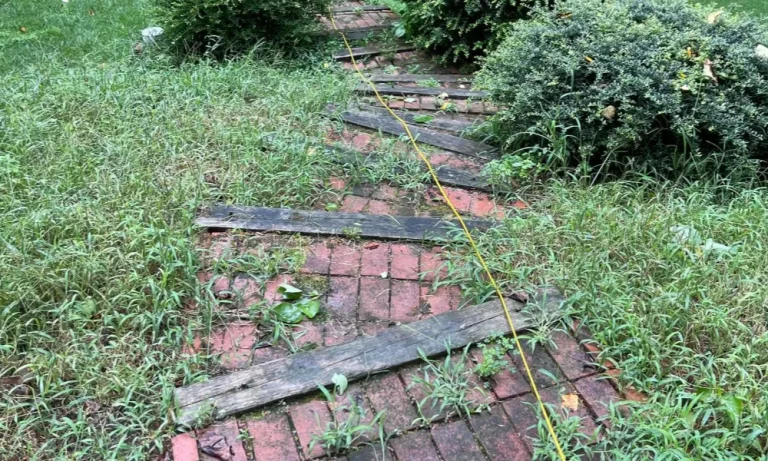
A few weeds can happen anywhere outdoors, but thick growth between pavers is usually a drainage and debris problem, not just “nature doing its thing.”
What it usually means:
-
-
- Organic material has built up in the joints and is holding moisture
- The joint stone is too dirty or compacted to drain properly
- Seeds are repeatedly collecting because the surface isn’t being cleared often
-
How we handle it: We remove vegetation, clear and clean the joints, and replace the joint stone with clean material that drains and discourages regrowth. If the surrounding landscaping is feeding debris into the system, we may recommend small bed-edge or grading tweaks as part of your landscaping plan.
3. Uneven, wobbly, or shifting pavers
If pavers are settling, lifting, or no longer feel solid underfoot, it’s usually a base issue, not a surface issue. This can also become a trip hazard fast.
What it usually means:
-
-
- Water is not draining evenly and is weakening the base in certain sections
- Freeze-thaw cycles are pushing and pulling on areas that stay wet
- Edge restraints are failing, allowing the field of pavers to spread or shift
-
How we handle it: We lift the affected area, correct the base, reset the pavers, and reinstall joint stone so the system drains properly again. If the underlying issue is runoff from the property, we may tie the fix into broader drainage solutions.
4. Sediment washing in around the edges
If you’re seeing sand, mulch, or soil collecting along the outside edges, it’s often a sign that runoff is bypassing the pavers instead of going through them.
What it usually means:
-
-
- Joints are clogged, so water is flowing across the surface
- Nearby beds are eroding into the patio or driveway during storms
- Edge restraints or grading details need adjustment
-
How we handle it: We evaluate grading, edge restraint stability, and sources of sediment, then address the cause, not just the symptom.
How we maintain permeable paver systems
At Harvest Outdoor Living, our permeable paver maintenance is designed to restore drainage first, then bring back the clean, finished look homeowners expect from a premium hardscape.
Our maintenance process typically includes:
-
- Inspection and drainage evaluation to identify clogged zones, low spots, and edge issues
- Surface cleaning using methods that remove buildup without destroying the joints
- Joint stone removal and replacement with clean, washed aggregate sized for permeable systems
- Paver resetting where needed to correct settling or movement
- Optional protective recommendations based on site conditions, traffic, and surrounding landscaping
If your system is struggling because water is being routed toward it from the wrong direction, we’ll often recommend pairing maintenance with targeted drainage improvements so the pavers aren’t overloaded during every heavy rain.
Mini case study: Permeable driveway performance restored in Fallston
A homeowner in Fallston reached out after noticing puddles forming on their permeable paver driveway during storms. The surface looked fine, but the joints were packed with sediment from years of normal use and runoff. We cleaned the surface, removed the clogged joint material, and replaced it with clean washed stone. After the next rainfall, water infiltrated evenly again, and the puddles were gone.
Proudly serving Harford County and beyond
Harvest Outdoor Living provides paver installation and maintenance services throughout:
-
- Abingdon
- Aberdeen
- Churchville
- Fallston
- Forest Hill
- Havre De Grace
- Jarrettsville
- Perry Hall
- White Marsh
- And surrounding Harford County areas
Get your pavers draining like they should
If your permeable pavers are puddling, growing weeds, or shifting, it’s time for a professional checkup.
We’ll evaluate what’s going on, explain the most practical fix, and restore your system with the right materials and methods for long-term performance. Request an estimate today to get started.